
Perspective from the Peak: Why We Support the Big Climb
Inside the walls of Clickstop, we often talk about tackling complex projects, scaling our operations, or reaching new heights. But recently, one of our own took “the climb” quite literally.
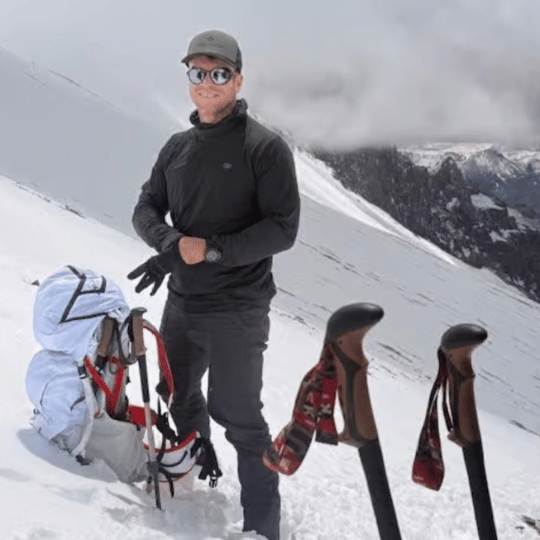
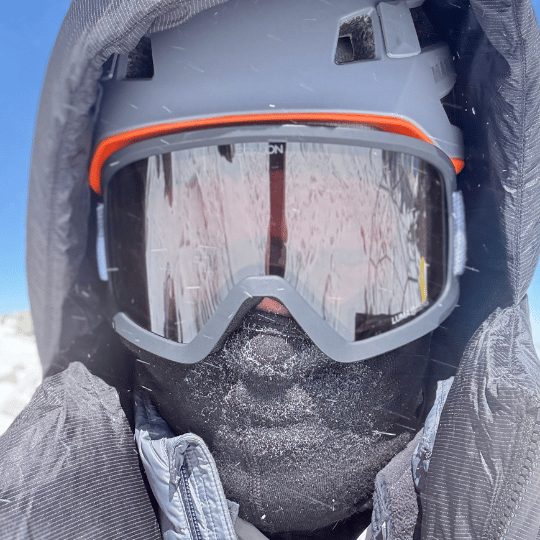 Reece Thompson, a creative strategist on our marketing team, joined us just over a year ago. When he approached us with the goal of summiting Mt. Aconcagua—the highest peak in the Americas—we didn’t just see a vacation request; we saw an opportunity to live out our core values.
We believe that a full life isn’t a distraction from work. It’s the fuel for it. Supporting an expedition of this magnitude requires deep trust and collaboration. While Reece was navigating glacial riverbeds in Argentina, his teammates here were stepping up to cover his responsibilities so he could disconnect completely. This level of support is exactly what makes our culture resilient.
Reece returned not just with incredible photos, but with a sharpened perspective on grit and the power of a steady pace. Below, he shares the raw reality of his 17-day journey through the Vacas Valley and the 11 life lessons he brought back from 22,841 feet.
A Moment of Appreciation
I’m deeply grateful to work within a culture that genuinely values growth, courage, and a full life beyond the office. Having the flexibility to step away and pursue meaningful challenges like this isn’t just a perk—it’s a reflection of trust, leadership and a shared belief that experiences outside of work make us better teammates and stronger professionals.
None of this would be possible without the people who carried additional responsibility while I was away. Your willingness to step in, keep things moving and support the bigger picture speaks volumes about the strength of our team. I don’t take that support lightly, and I return with a renewed appreciation for both the work we do and the people who make it possible.
Everyday Things I Missed on the Mountain
- Electric toothbrush
- Hot showers
- Clean clothes
- A real bed
- Eggnog
- Christmas music
We all have a choice: the convenient path or the courageous one. They lead to very different places.
I find that immersing myself in another country, the people, the language, the culture is always a meaningful adventure. I was fortunate enough to spend Thanksgiving and the subsequent 17 days in Central Argentina, climbing the second-tallest of the 7 Summits with a group of 6 strangers. Mt. Aconcagua, in the Andes, stands at 22,841 feet and is second only to Mt Everest.
This is a trip that has been on my radar since summiting Mt. Kilimanjaro and is a trip most prepare for a year in advance. Instead, I made a last-minute decision to climb the mountain via the Vacas Valley only 3 months in advance of leaving. This made the experience something entirely different…not necessarily a surprise, but it left room for some questions and unexpected events…and thankfully so. Longer, more difficult, quieter and far more remote than the Normal route, the Vacas Valley demands patience from day one. This is early in the climbing season. And, to make it even more memorable, our team wasn’t just climbing early—we were the first group of the entire season to attempt the route.
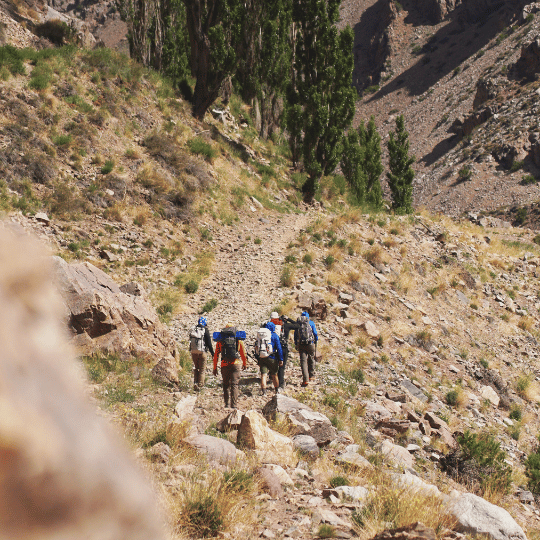
Trekking Through the Vacas Valley
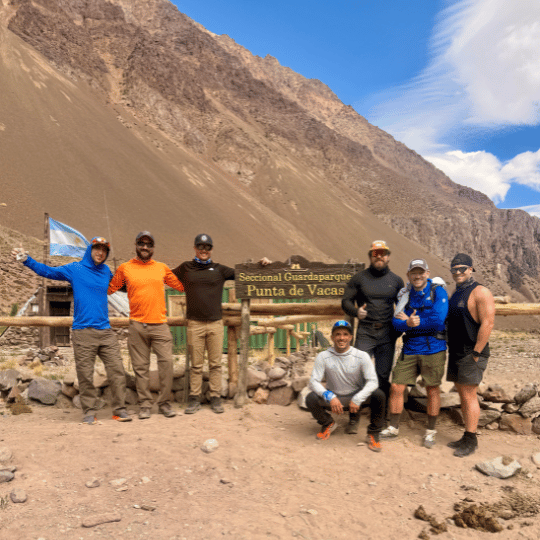
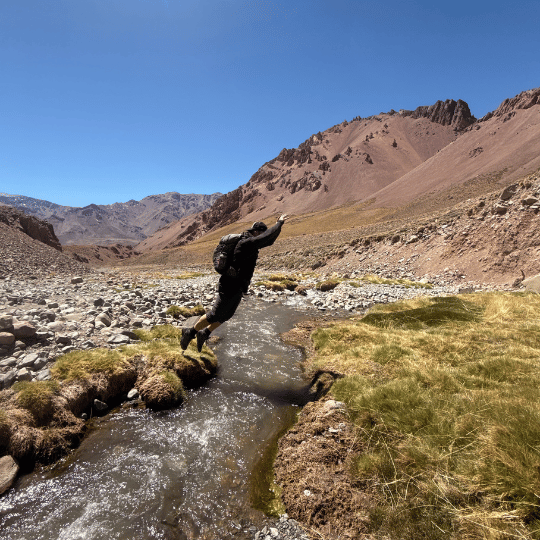
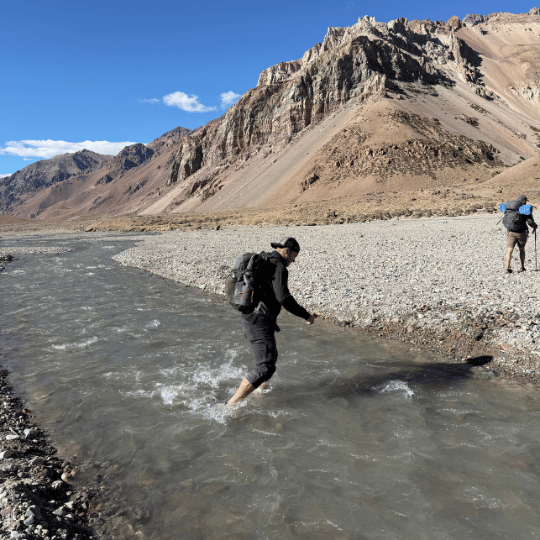
The expedition began far from the crowds, moving deep into the Andes through the wild and often windy, open expanse of the Vacas Valley. The approach to the mountain took 3 days and followed 24 miles of glacial riverbeds, towering walls, river crossings, and felt like total isolation. The landscape began a lush, green oasis and quickly faded to brown, then to snow and ice as we climbed higher in elevation. Unlike the more popular Normal route, there were no busy camps, no other groups—just us, boots stomping through the dirt and rock until we’d arrive to each of the 3 small, unfinished camps.
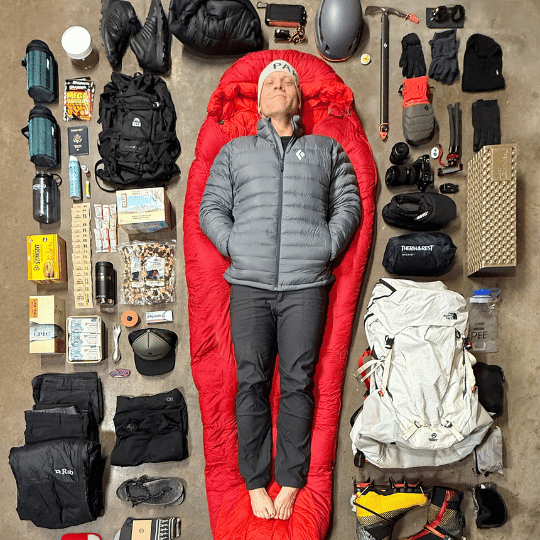
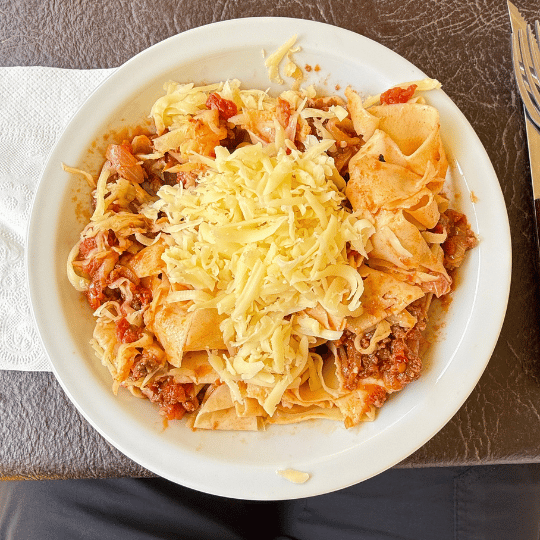
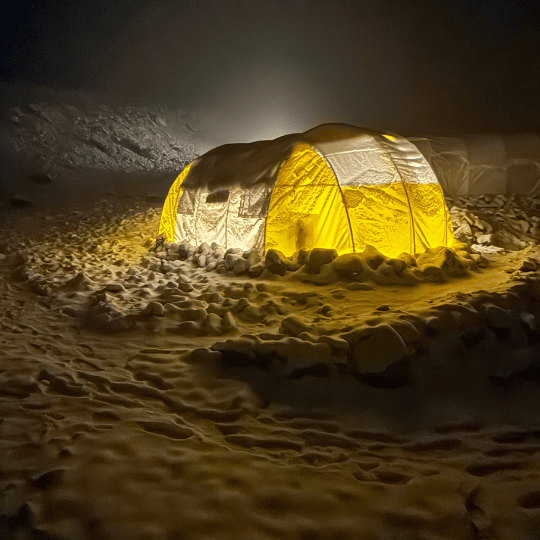
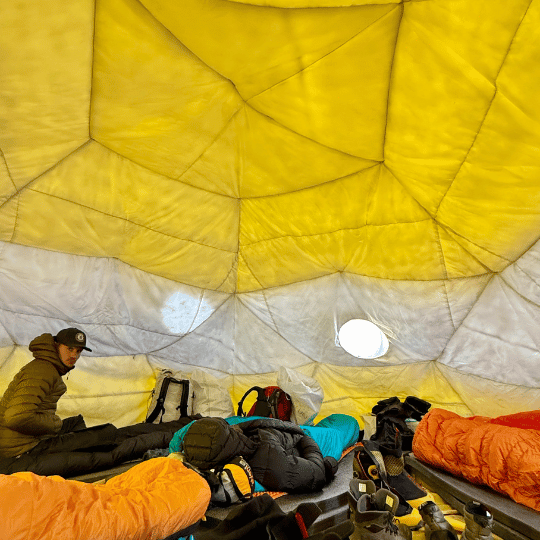
For 3 days camp consists of 2 dome tents. Dome 1, the living quarters…a covered space, protected from the elements, nothing more. We unpack our things each night, unroll our blow-up sleeping pads and -20° sleeping bags, and make a home before moving to the next camp each day. Dome 2 was the dining tent where meals were prepared and eaten. In the Vacas Valley, supper was almost entirely Asado (the Argentinian ritual of slow cooking tough cuts of meat over hot coals) that we ate off the bone with our hands. Each breakfast consisted of bacon, eggs, and toast made overa gas burner. Drinking water was purified from the glacial runoff.
Each day was very dry, sunny, warm, sandy/rocky, and windy (which this region is known for). Temps at night range from mild to below freezing.
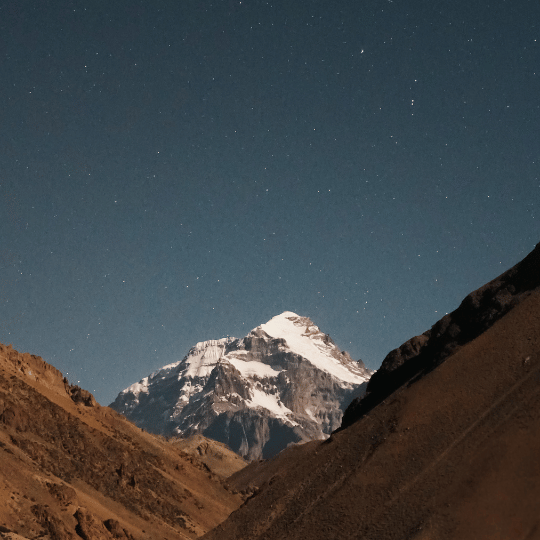
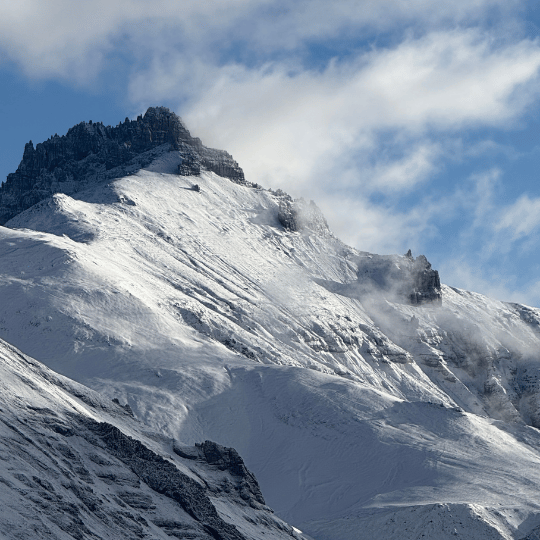
At the end of the second day, we finally get a glimpse of the mountain we are there to summit. The snow-covered peak is absolutely beautiful standing prominently over the valley and just MASSIVE!
The Team of Mules
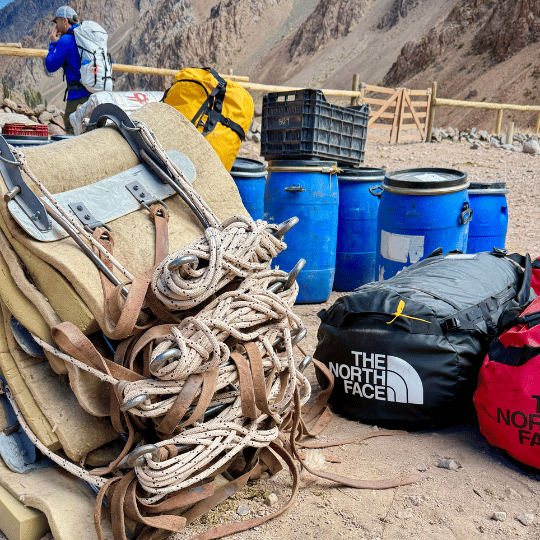
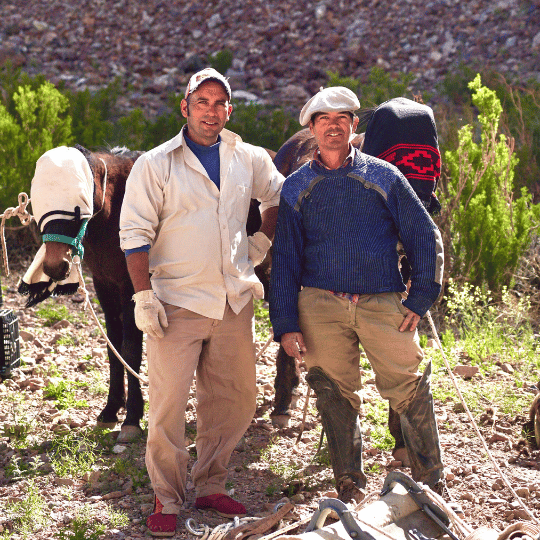
Mules carried loads of food, supplies, and extra gear ahead of us as we trekked toward Plaza Argentina (14,000 feet), the remote base camp on Aconcagua’s eastern side. These mule caravans are run by arrieros (cowboys) and make this stretch of the trip pretty easy, allowing us to take it all in. Thanks to the mules, our daypacks consist only of a warm jacket, rain gear, snacks, and water. We are reunited with our supplies each night at camp until we say goodbye to the mules for good at Plaza Argentina. They go no higher than 14,000 feet. From there, it’s all manpower.
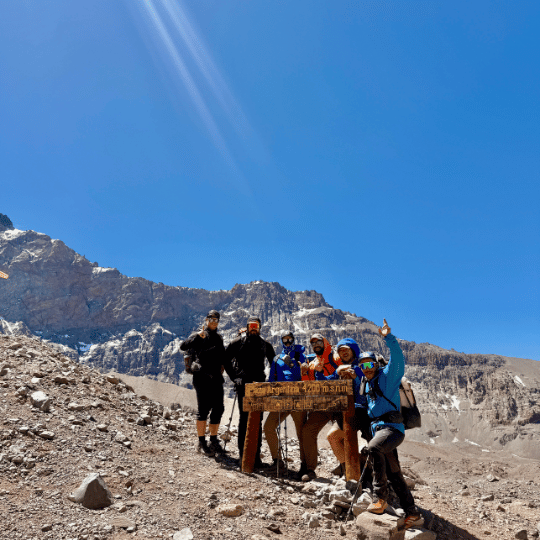
Early Season Reality
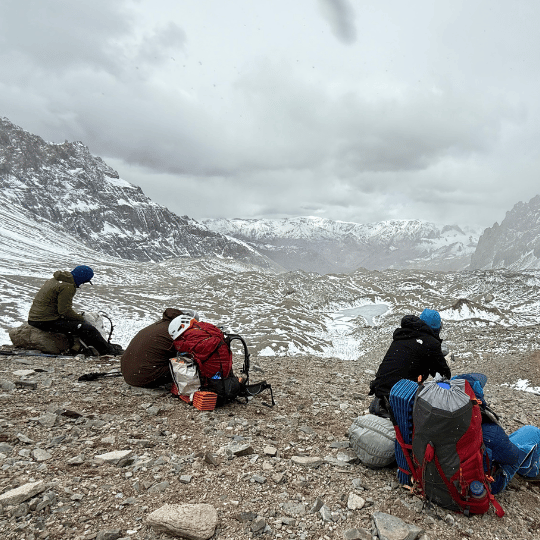
By base camp (Plaza Argentina), we’re now living on the mountain, raw and untouched. Snow fell and melted, we could hear rock falls in the distance, the camp was empty, and the weather was always changing. Without other teams ahead of us, information was limited. Every decision mattered more because there was no precedent yet for the season. We begin considering our “weather window”. A day of favorable wind and snowfall that would allow a safe passage to the summit. Without this weather window, we may have come this far and not have an opportunity for a summit attempt. Remember, this is a mountain known for 50-60+ mph winds that could literally blow you right off.
Life at Plaza Argentina
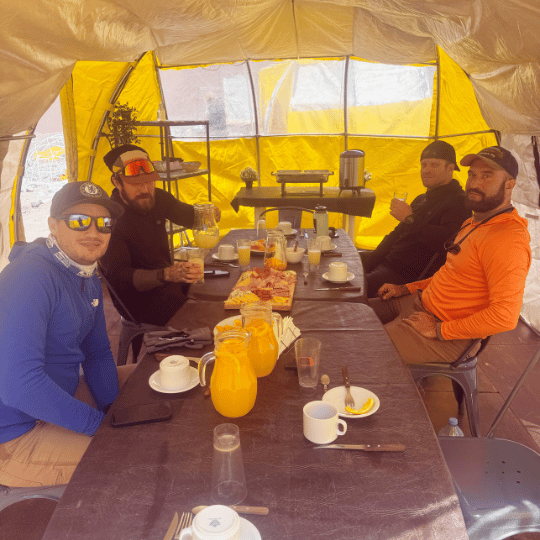
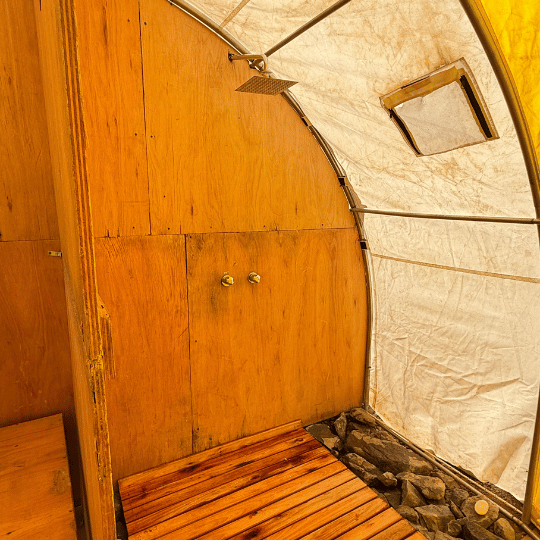
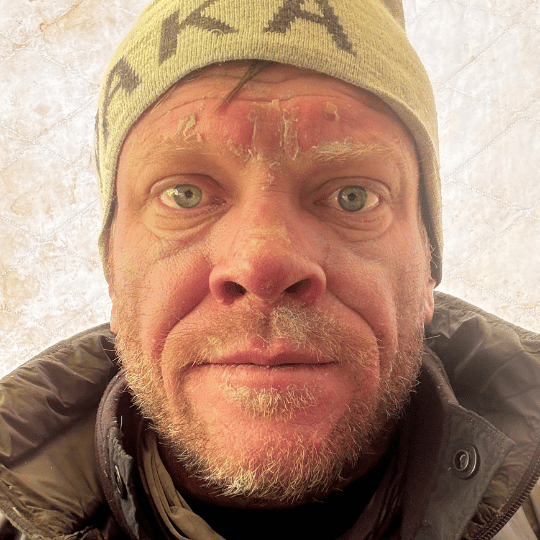
Base camp is VERY different from the rest of the climb. Since we’re the first team at base camp for the year, it’s mostly under construction, in preparation for the masses to arrive after our departure. As snow fell at base camp and on the upper mountain, we waited a total of 5 days, acclimating and watching for better weather. Here we have hot showers (for $15), Starlink internet, access to a power strip, and mattress pads to sleep on. Meals are prepared by a team that is led by a trained pastry chef named Luci. Breakfast is still always eggs and bacon and toast…but is now accompanied by orange juice (Tang), apple juice, fresh butter, jams, coffee, tea, or anything else we’d want. Plus, we are now provided a lunch as well as supper—3 courses each (soup, entrée, dessert). We pass the time by napping, sunning on the deck, stretching, taking short walks, and doing easy exercises.
To The Upper Mountain
Finally, word comes of a small and unpredictable weather window. We set our sights on December 12th as a summit potential with no other options in the forecast. The 3 days after call for feet of snowfall, below zero temps, and 60+ mph winds. We prepare our things and leave Plaza Argentina for the upper mountain camps (Camp Uno 16,300 feet, Camp Guanacos 18,000 feet, and Camp Colera 19,600 feet), knowing that we’re not yet in place to make the weather window.
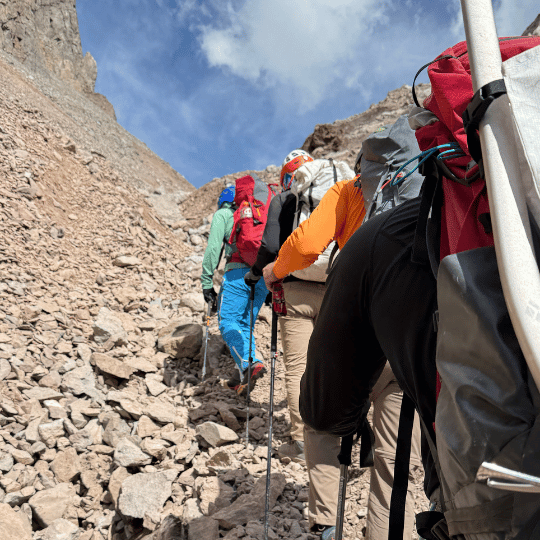
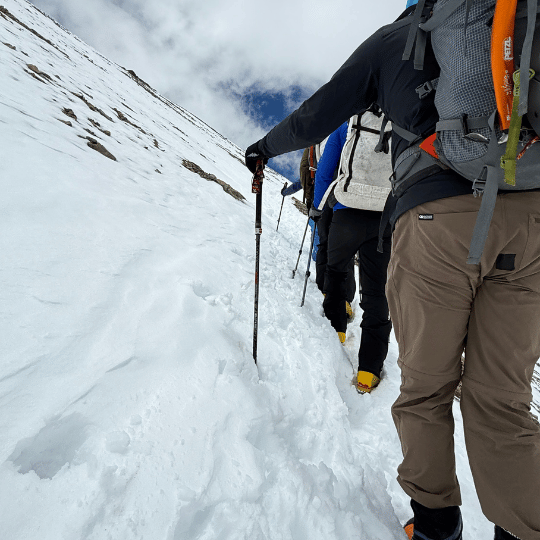
The mood is much more serious, and the terrain demands it. We are now carrying all our own gear by making 2 trips up the mountain to camp and then coming back down for the other half of our gear. This is called a double carry, and it also benefits acclimatization. These days were spent carrying loads up toward our new home high on the mountain, navigating fresh snow, rock falls, loose rock, and strong winds. The cold felt sharper, the silence deeper. At times, it felt like the mountain was reminding us that we were early guests and that nothing had been prepared for our arrival.
The Push Toward the Summit
As we transitioned higher, the effects of altitude became undeniable. Rolling out of the sleeping bag, putting on boots, and taking a sip of water now require several labored breaths to recover from. We were now sleeping at an elevation higher than the peak of Mt. Kilimanjaro. Several in the group had sleepless nights (understandably, it’s hard to sleep when it sounds like the wind is going to rip through your tent), loss of appetite, headaches, nausea, and even a SpO2 in the 50s. The trek through the Vacas Valley route had done its job—long days and gradual elevation gain were good for acclimation—but being this high is brutal. Summit day would test everything we had left. As the sun set, winds howled and snow fell, we’re informed that the weather does not look good and if it didn’t clear by morning, we would not be attempting to summit. Not exactly a reassuring thought.
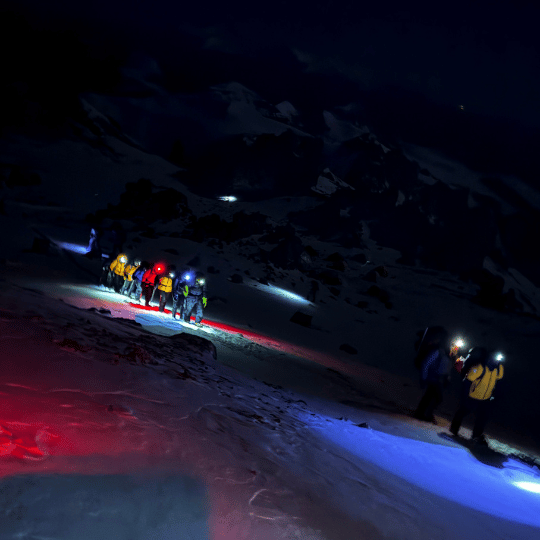
We wake at 3 a.m. It sounds like the winds have calmed, and we get word that the summit attempt is on! We have 1 hour to prepare our things, eat a very small breakfast, fill our water bottles with hot water and prepare to summit 2 days early in order make the only forecasted weather window.
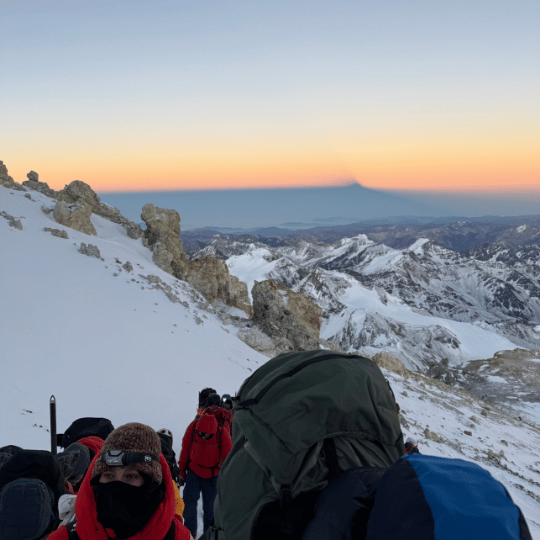
Starting in the dark, we climbed into thin air that has only 30% of the oxygen saturation of the air we breathe at sea level. As we moved slowly and deliberately (taking steps every 1.5-2 seconds) the sun rose over the Andes, and the shadow of Mt. Aconcagua stretched over the mountains in the distance.
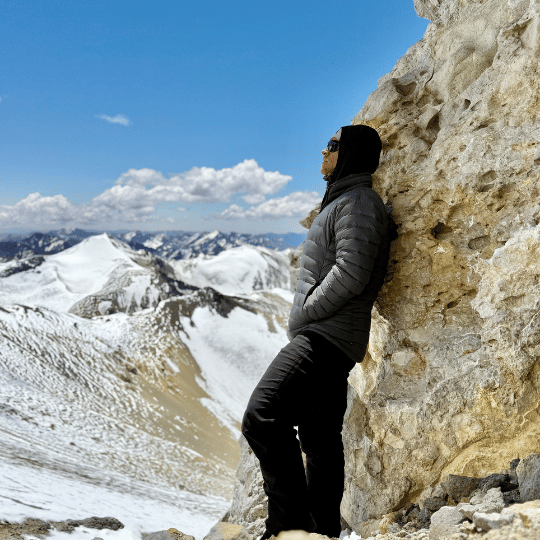
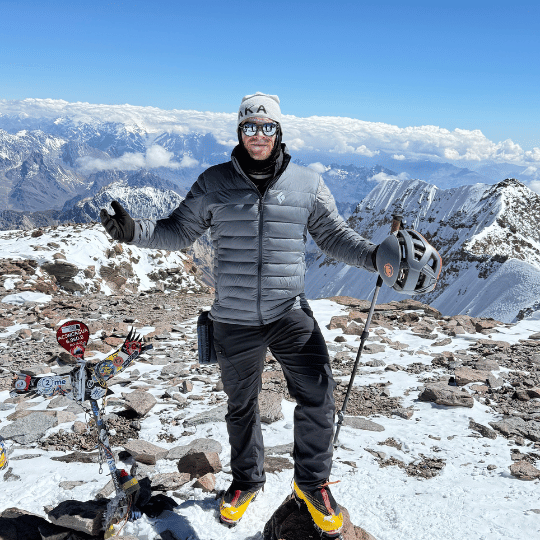
From here on, each step is earned. Each pause was necessary. There was no rushing—only persistence. Two of the team members and both of our guides had to bow out early in our summit attempt because of altitude-related issues, leaving only 3 of us to push on with another climbing team we’d never met prior. This is an unusual occurrence, but we’re grateful for the opportunity to continue on. We reached the summit, and it was surreal—the curve of the Earth stretching in every direction on a perfectly clear day. It felt less like a victory and more like a privilege. A brief moment granted by the mountain before we quickly descend due to feeling ill.
In total, it took 15 hours to summit and make it safely back to Camp Colera, where we choke down some quinoa soup and sleep.
What the Vacas Valley Taught Me
Climbing Aconcagua via the Vacas Valley reinforced lessons that only remote routes and early-season conditions can teach: self-reliance, adaptability, and respect for uncertainty. There were no shortcuts, no easy days, and no external momentum—only the steady accumulation of effort and trust in the process.
Aconcagua is a big mountain, demanding discipline, resilience, and humility, and in return, it delivered clarity, confidence, and a deeper appreciation for what the human body and mind can endure. Climbing Aconcagua wasn’t just an adventure. It was a reminder that the hardest paths often lead to the most meaningful journeys. The summit WAS the objective—but the path to the summit was profoundly more meaningful…and one I’ll never forget.
11 Lessons from Mt. Aconcagua that Shaped How I Show Up at Work
It’s okay to leave daily life behind, change pace and let the mind wander
- Sometimes stepping away from day-to-day distractions provides an opportunity to refocus and slow down…allowing space and perspective to make better decisions and proceed with purpose.
Progress isn’t always fast—stay steady
Momentum matters more than speed. Forward movement is measured in inches, not miles. Consistent effort—even when it feels small—still compounds into real progress. Don’t forget to stop and look back on occasion, to realize how far you’ve come.
Adapt without abandoning the goal
Weather, conditions and plans change. Success comes from staying flexible without losing sight of the objective.
Take care of yourself so you can take care of the team
- Fatigue, neglect and burnout ripple outward. Prioritizing your own health, rest and mindset allows you to show up stronger for others. Ignoring your own limits can create a liability.
Energy is a resource
- How you fuel yourself (physically and mentally) directly affects performance, patience and presence under pressure—on the mountain and at work.
Trust is built fastest in shared adversity
Some of the most valuable lessons come from people outside your usual circle. On the mountain, strangers quickly become teammates helping each other through the grind. Those who listen, respect and value diverse perspectives become stronger team members.
Follow in the right footsteps
In difficult terrain, choosing the proven path can save energy and prevent mistakes. Trust and learn from those who’ve paved the way.
Control what you can—but don’t let outside conditions stop you
You can’t control the wind or the altitude, but you can control preparation, attitude and effort. Focus where your influence matters. Refuse to let uncontrollable factors derail execution.
The process develops people; the goal measures it
Growth happens long before the finish line. The habits built and challenges faced along the way matter more than the final moment.
Stay sharp through the final mile
Remember…the summit is only halfway. Stay disciplined through the final push. The final stretch is where presence matters most…coasting here could be costly.
The best view is from the top
But, the reward isn’t just the view—it’s the perspective earned by doing the hard work to get there. If you took an elevator to the top would the view still be as rewarding?